The First Hour After a Tree Falls in Longview
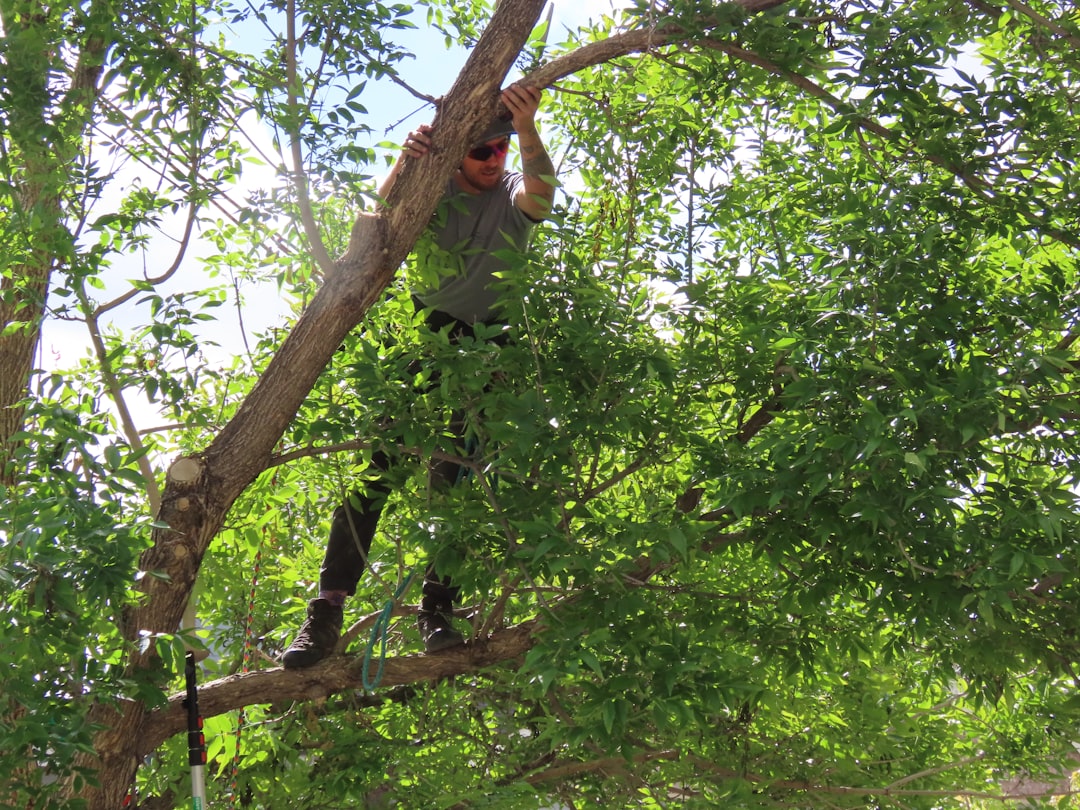
The minutes right after a tree fails are when calm decisions matter most and when people get hurt trying to help. Longview grows out of the Piney Woods, so the tall loblolly pines and post oaks that shade a yard are the same ones a spring squall or an ice event loves to break. Here is how to work the first hour.
Assume Every Downed Line Is Live
A trunk draped over the wires along Gilmer Road can energize the tree, a wet fence, and the ground around it. Do not approach and do not touch anything the tree is touching. Move people and pets back, then call the utility to kill power before any tree crew climbs. No limb is worth a shock, and no cleanup starts until the line is confirmed dead.
Look Up Before You Look Down
Walk the property from a safe distance and read the canopy. A cracked limb hung in the branches, called a hanger, can drop without a sound. A trunk with a fresh split or a root plate lifting out of the soil is unstable even while it is still standing. Note what leans toward the house, the driveway, or the neighbor’s lot, and keep clear of the fall zone.
Do Not Cut a Loaded Tree Yourself
A chainsaw and a storm-loaded tree are a dangerous pair. Wood under tension can snap back, and a trunk can barber-chair the instant a cut releases it. Limbs resting on a roof need to be rigged and lowered, not sawed free to crash through the ceiling. This is the work a trained climber does under ANSI Z133, and it is exactly where a homeowner gets into trouble. When a tree is on a structure, call emergency storm removal rather than reaching for the saw.
Photograph Everything for Your Insurer
Most homeowner policies cover tree removal when a storm drops one on a structure. Before anything is moved, take wide and close photos of the damage, the tree, and any hit to the roof or fence. Keep the removal scope and invoice, so you have paper to hand the adjuster. A reputable crew gives you a clear written figure, not a vague after-hours number.
Get an Arborist to Say What Stays
Not every storm-hit tree has to come down. A single split limb on a sound pecan can often be cleaned up with a reduction cut, and a leaning tree with an intact root plate may be savable with cabling. An ISA Certified Arborist can tell a scarred tree from a genuine hazard, which saves you from removing one that had years left. Have a question first? Reach out through contact us.
When a tree is on the ground in Longview, call Otmconferences at (903) 316-4136. We respond day or night across Gregg County, secure the scene, and haul the mess away.
Need help in Longview?
Call (903) 316-4136